Introduction
South Africa's economy runs on movement. Every tonne of coal extracted from Mpumalanga, every load of maize harvested on the Free State Highveld, every batch of steel rolled in Vanderbijlpark — none of it reaches its destination without one critical link in the chain: bulk commodity transport.
From the mines to the ports, from farms to processing facilities, and from factories to distribution hubs, bulk freight logistics is the invisible engine that keeps South Africa's most important industries operational. Without it, the country's export revenues would collapse, food supply chains would break down, and industrial production would grind to a halt.
At Themba Liyeza Solutions, we understand the weight of this responsibility — literally and figuratively. As a transport and logistics company committed to reliability, safety, and professionalism, we play an active role in keeping South Africa's supply chains moving.
In this post, we explore the critical role bulk commodity transport plays in the national economy, the sectors that depend on it most, and what it takes to deliver this service at the highest standard.What Is Bulk Commodity Transport?
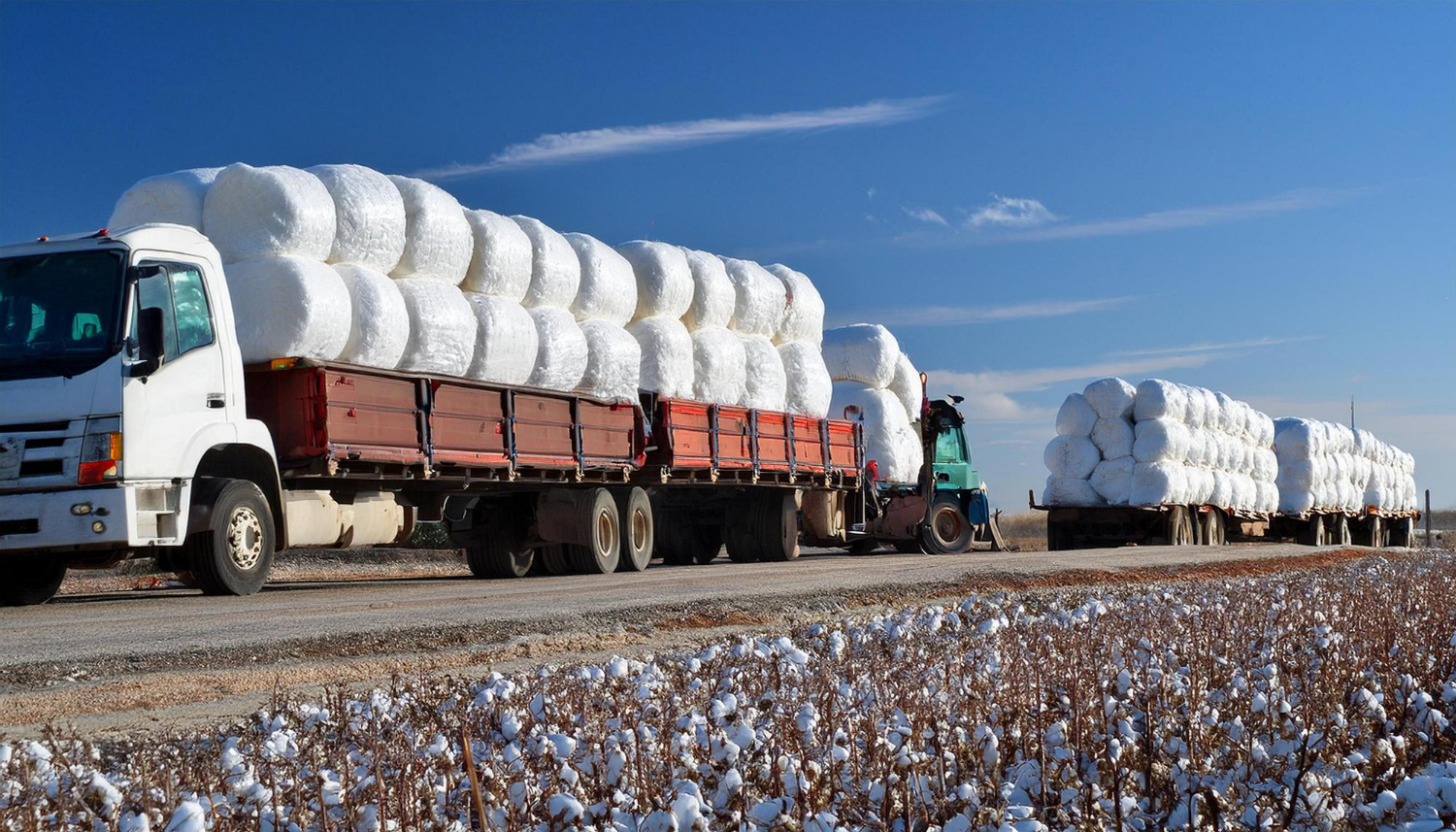
Bulk commodity transport refers to the movement of large quantities of unpackaged or minimally packaged raw materials and goods — typically by road, rail, or sea. In the road transport context, this means heavy trucks and articulated vehicles hauling commodities such as:Coal and minerals — from mines to power stations, smelters, and export terminals
Agricultural produce — grain, maize, wheat, sugar, and livestock feed
Construction materials — sand, stone, cement, and aggregate
Steel and metals — rolled steel, copper, aluminium, and related industrial materials
Chemicals and fertilisers — agricultural and industrial chemical inputs
Timber and paper products — from forestry operations to processing plantsUnlike general freight, bulk commodities are typically high-volume, low-margin goods where transport efficiency, reliability, and compliance are everything. A single delayed shipment can disrupt an entire production line or miss an export vessel.The Scale of South Africa's Freight Economy
To appreciate the importance of bulk commodity transport, consider the scale of South Africa's freight movement. The country's road freight industry moves hundreds of millions of tonnes of goods annually, with road transport accounting for the dominant share of domestic freight — particularly for routes where rail infrastructure is limited or unreliable.
South Africa's key commodity sectors — mining, agriculture, and manufacturing — collectively contribute a significant portion of GDP and are almost entirely dependent on efficient freight logistics to function. When transport networks fail, these industries feel the impact immediately: production backlogs, export delays, spoilage of perishable goods, and contractual penalties.
The road freight sector also employs hundreds of thousands of South Africans directly and indirectly — from drivers and mechanics to logistics coordinators, fuel suppliers, and tyre distributors. Bulk commodity transport is not just an economic enabler; it is an economic sector in its own right.Key Industries That Depend on Bulk Commodity Transport
1. Mining and Resources
Mining is one of South Africa's largest contributors to export revenue. The country is among the world's top producers of platinum group metals, gold, chrome, manganese, coal, and iron ore. Getting these minerals from extraction points to processing facilities and export terminals — primarily Richards Bay, Saldanha Bay, and Durban — requires a vast and reliable transport network.
Road-based bulk transport plays a crucial role, particularly for:Mines not directly connected to rail lines
Short-haul movement between mine and processing plant
Contingency haulage when rail capacity is constrained or rail infrastructure is disruptedGiven the current challenges facing Transnet Freight Rail, road transport has increasingly become a primary — not just supplementary — mode for mineral logistics in South Africa.2. Agriculture and Food Security
South Africa produces millions of tonnes of maize, wheat, soybeans, sugarcane, and other agricultural commodities annually. Getting these products from farms to silos, mills, processing plants, and export terminals is entirely dependent on reliable bulk freight transport.
The stakes are particularly high here because agricultural logistics is time-sensitive. Delays during harvest season can result in spoilage, quality degradation, and financial losses for farmers and agribusinesses. Reliable bulk transport directly supports food security — not just for South Africa, but for neighbouring countries that import South African agricultural produce.3. Construction and Infrastructure
Every road built, every bridge constructed, every building erected in South Africa requires a constant supply of bulk construction materials — sand, stone, cement, bricks, and steel. These materials are almost exclusively moved by road, and demand surges whenever government or private sector infrastructure projects are active.
With South Africa's infrastructure backlog and ongoing investment in roads, energy, and housing, the demand for construction material transport remains consistently high.4. Manufacturing and Industrial Supply Chains
South Africa's manufacturing sector — including steel, chemicals, automotive components, and food processing — depends on a steady inflow of raw material inputs and an efficient outflow of finished goods. Bulk transport enables manufacturers to maintain production rhythms by ensuring raw materials arrive on schedule and finished products reach distribution points without delay.
Any disruption in bulk freight logistics ripples immediately into manufacturing output, affecting both domestic supply and export competitiveness.5. Energy and Utilities
Despite the rapid expansion of renewable energy, coal remains central to South Africa's electricity generation. Eskom's power stations consume enormous quantities of coal, which must be transported continuously from Mpumalanga's coal fields. Road transport supplements rail delivery, particularly during periods of rail disruption or when power stations require emergency coal replenishment.The Challenges Facing Bulk Commodity Transport in South Africa
While the demand for bulk freight transport is immense, the sector also faces significant challenges that every operator must navigate.Road Infrastructure Deterioration
South Africa's road network — particularly provincial and rural roads — has suffered years of underinvestment and overuse by heavy vehicles. Potholes, bridge weight restrictions, and deteriorating road surfaces increase vehicle wear, slow transit times, and raise maintenance costs. Experienced operators plan routes carefully and maintain vehicles rigorously to manage these realities.Fuel Price Volatility
Fuel is the single largest operating cost for bulk transport operators. South Africa's fuel prices are subject to both global oil price movements and rand exchange rate fluctuations, making cost management and competitive pricing a constant challenge. Fuel-efficient driving practices and well-maintained engines are essential for sustainability.Regulatory Compliance
Bulk transport operators must comply with a complex web of regulations, including axle load limits, vehicle roadworthiness requirements, driver hours-of-service rules, and dangerous goods handling protocols. Non-compliance exposes operators to fines, vehicle impoundment, and reputational damage. Staying compliant requires ongoing driver training, regular vehicle inspections, and meticulous documentation.Driver Shortages and Skills Gaps
South Africa faces a significant shortage of qualified, experienced heavy vehicle drivers — particularly those trained to handle bulk loads safely and compliantly. This skills gap is one of the most pressing constraints on the sector's growth and reliability. Investing in professional driver training is therefore not just good practice — it is a strategic necessity for any serious transport operator.Security and Cargo Theft
Cargo theft remains a significant risk on South African roads, particularly on high-value mineral and agricultural routes. Operators must invest in vehicle tracking systems, route planning, and driver protocols to mitigate this risk and protect their clients' consignments.What Makes a Reliable Bulk Commodity Transport Partner?
For businesses that depend on bulk freight logistics, choosing the right transport partner is a critical decision. The wrong choice leads to delayed deliveries, damaged cargo, compliance failures, and disrupted operations. The right partner delivers consistency, professionalism, and peace of mind.
Here's what to look for:Fleet capability — the right vehicles for the commodity being transported, properly maintained and roadworthy
Compliance record — a demonstrable history of regulatory compliance, including valid operating licences, roadworthy certificates, and driver PrDP certification
Experienced, trained drivers — operators who understand load management, route planning, and safe driving under full load conditions
Tracking and communication — real-time visibility of vehicle location and load status
Insurance and liability cover — adequate cargo and third-party insurance
Reliability and accountability — a track record of on-time delivery and transparent communication when challenges ariseThemba Liyeza Solutions: Your Bulk Transport Partner
At Themba Liyeza Solutions, transport logistics is at the heart of what we do. We understand the demands of bulk commodity movement in South Africa — the distances, the regulatory requirements, the road conditions, and the expectations of clients who cannot afford delays.
Our transport logistics service is built on:Safety-first operations — every vehicle maintained, every driver trained, every trip planned
Compliance — we operate within the full requirements of South Africa's road transport regulations
Professional drivers — our team is trained not just to drive, but to manage loads, inspect vehicles, and represent your business professionally
Reliability — we deliver on our commitments, because we know your operations depend on it
Local knowledge — operating out of Bronkhorstspruit, Gauteng, we have deep familiarity with the routes, conditions, and logistics networks of the Highveld and beyondWhether you need regular bulk freight movement or project-based heavy haulage, Themba Liyeza Solutions has the capability, the people, and the commitment to get the job done.
📍 Based in Bronkhorstspruit, Gauteng — serving industries and businesses across South Africa.Conclusion: Bulk Transport Is the Backbone of the South African Economy
South Africa's economic engine depends on the reliable movement of bulk commodities — from the ground, to the factory, to the market. Every tonne moved on time is a contribution to GDP, to employment, to food security, and to national development.
The transport companies that serve this sector carry enormous responsibility. Getting it right requires investment in the right vehicles, the right people, and the right practices. It requires professional operators who understand that bulk commodity transport is not just a service — it is an essential economic function.
Themba Liyeza Solutions is proud to be part of that function — delivering smart, reliable, and sustainable transport solutions for South Africa's most important industries.
👉 Explore our Transport Logistics service
👉 Book a Consultation with our team
📞 Call us: 076 226 4955
📧 Email: info@thembaliyeza.co.za